Developing country stakeholders have their say: A synthesis
Embedded Scribd iPaper - Requires Javascript and Flash Player
Green economy: developing country stakeholders have their say
Green Economy is being touted by governments, corporations and development agencies as the way forward for a world threatened by climate change, environmental degradation and economic instability. It has gained such prominence in international debates that it is one of the two major themes selected for the June 2012 UN Conference on Sustainable Development in Rio (Rio +20). Yet the selection has generated controversy, with many developing countries calling it a potential ‘distraction from already agreed global commitments on sustainable development’. 1 Sensitivities over this are reflected in the enabling agreement for the Conference, which refers to: ‘Green Economy in the context of poverty eradication and sustainable development’.
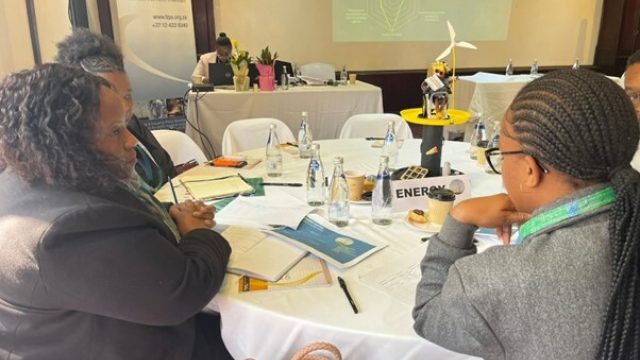
A series of national discussions are now underway to explore whether the concept is indeed of relevance to developing countries, and what a green economy might mean in different places and contexts. These stakeholder dialogues have been initiated under the auspices of the Green Economy Coalition as part of its preparations for the Rio Conference and other global events, with each process being coordinated and led by locally based organisations. The dialogues offer evidence of the kinds of economic and social challenges that developing countries are confronting, and of the opportunities to address them in sustainable ways. They also offer learning opportunities for other countries, both North and South. Dialogues have started in Brazil, the Caribbean (regional
www.uncsd2012.org/rio20/index. php?page=view&nr=217&type=1 2&menu=24&template=435
1 2 These are available on the Green Economy Coalition website: www. greeneconomycoalition.org/what/ national-dialogues.
number of dialogues is small, the range of contexts that they represent is vast, including large emerging economies, least developed countries, and small island developing states. To widen the body of evidence further, linkages are being made with similar national consultations in Botswana, Kazakhstan and elsewhere. Participants have welcomed the opportunity to explore new development pathways through a ‘green economy’ lens and to begin to develop national visions of a new, sustainable and resilient economic future. In all the dialogues, there has been resistance to the notion of a single ‘green economy’ definition or framework, along with a strong sense of the specificity of each country’s development objectives, needs and opportunities. Although each of the dialogues is developing ideas and proposals that are specific to individual contexts, some converging themes have also emerged, which may differ from those coming out of mainstream debate on green economy. While only a single moment of discussion in each national process is reflected here, the dialogues are continuing with the aim of engaging an ever-widening range of stakeholders
november 2011
dialogue), India and Mali. Each dialogue takes a different form, but all converge on ‘moments’ of discussion among stakeholders in a workshop or conference setting. The results of these initial discussions in each of the four Green Economy Coalition national dialogues have been documented and form the basis for this paper. While the
2
www.greeneconomycoalition.org
in a consciously inclusive process that accepts the inevitability and value of diverging opinions, and that aims to influence policy and practice, locally, nationally, regionally and globally.
Beyond defining these principles and developing broad visions, the dialogues identified concrete and innovative actions that can be taken now. The ‘next steps’, which can be initiated with local resources but could also benefit from external support, include: Green economy diagnoses. To build on the dialogues and drive innovation, countries are establishing working groups and national coalitions to delve deeper into the requirements for economic transformation in key sectors through identification of problems, opportunities, building blocks, policy measures and wider economic policy implications. Key participants in and audiences for these diagnoses are ministries of finance and business, who need to understand the costs of continued business as usual, and how moving to triple bottom line accounting can improve productivity and net revenues over the long term. Action learning. By bringing the right mix of people together, stakeholder platforms for green economy diagnosis can become mechanisms for a larger iterative process
establishing a foundation for action
The dialogues have all recognised that before it is possible to consider the details of a shift towards a green economy – the sectors to target, the new institutions to establish, the technologies to employ – there is a need for each country to define its own version of what the shift itself should entail and what principles should guide that economic transition. It is striking that despite the huge diversity of contexts represented by the dialogue countries, all of the dialogues concluded that any new approach to economic development would only be meaningful and legitimate if it was built on a set of broad principles: sustainable development, equity, resilience, accountability and citizen empowerment.
A diverse set of countries
The countries that have so far engaged in national dialogues could not be more diverse: Brazil: A very big country with a wealth of natural resources, tremendous renewable energy capacity and potential, a large urban population, and wide income and consumption disparities. Its natural assets offer potential for financing environmental protection and rural development through payments for environmental services. The Caribbean: A region comprised of small island countries with long histories of environmental degradation. The region is highly vulnerable to natural disasters, climate change and other external stressors and shocks, and has been experiencing declining economic productivity and increasing poverty and social inequality. Institutions such as the Association of Caribbean States and the Caribbean Community offer the potential for countries to pursue new development pathways through regional collaboration. India: One of the most rapidly industrialising and urbanising countries in the world, but agriculture still employs the vast majority of the country’s workforce. Despite progress, poverty reduction remains the greatest national development challenge. India has considerable capacity for technological innovation and high potential for scaling up green technologies and approaches and for attracting social investment. Mali: A large, landlocked country with high rates of poverty and high dependency on natural resources for livelihoods. Its ecosystems are fragile due to a rainfall variability that is increasing with climate change. Climate change adaptation finance and actions offer a development opportunity for economic transformation.
november 2011
of action learning. Learning from existing best practices can encourage innovation and scaling up. For example, some of the learning material identified in the Caribbean includes integrated national planning processes that take a ’green economy’ perspective, such Guyana’s Low Carbon Development Strategy and Jamaica’s Vision 2030 National Development Plan; and trade agreements that build resilience together with strong environmental and labour protections, like one now being negotiated between the Caribbean Community and Canada. Capital for ‘green’ SMEs. Financing mechanisms can be created to support micro, small and medium enterprises that cannot achieve the scale required by existing facilities set up to encourage low carbon enterprises, such as the Clean Development Mechanism. The Mali dialogue suggested the creation of a ‘Green Investment Bank’ for this purpose. The India dialogue noted the potential of social investment funding to support small-scale low carbon enterprises. Scaling out through regional cooperation. Regional cooperation offers opportunities for building on a wider range of assets, reducing dependency on external markets and creating economies of scale, especially for investment in capital intensive sectors such as renewable energy. The Caribbean dialogue took a regional approach from the start and is now seeking to engage a wider range of countries in the development of a pan-Caribbean vision and plan of action. Even larger countries can benefit from taking a regional perspective on the sustainable economic use of shared resources such as river basins. Targeting key sectors. Investment in strategic actions to transform specific sectors can make a major contribution towards job creation, poverty reduction and environmental protection. The Brazil dialogue highlighted the potential of nature tourism to generate payments for environmental services. The India dialogue identified actions to make the agriculture sector more sustainable, such as crop diversification to deal with climate variability and the revival of traditional crop varieties through seed banks, for food security. The Caribbean dialogue noted the potential
to rapidly transform the housing sector through regulation and incentives. The Mali dialogue emphasised the role of stakeholder participation in decisions about the use and allocation of the country’s precious water resources. Broadening and deepening the dialogue. The visions, ideas and recommendations that have already emerged from these dialogues only reflect a small sample of what broader discussions, with a wider range of stakeholders, could offer. The dialogues have yet to fully engage with the private sector, ministries of finance and planning, young people and other major stakeholder groups, and doing so will be critical to the achievement of a shared vision and an implementable agenda. A priority for all countries is therefore to expand the dialogue over the coming months, and a range of innovative approaches, from regional seminars to examine local issues in depth to Facebook discussion boards, are currently being employed.
Principles and priorities
Guided by principles of sustainable development, equity, resilience, accountability and citizen empowerment, the dialogues have begun to shape a set of priority areas of action in the transformation to a green economy in developing countries. This emerging set of principles and priorities may offer a starting point for deeper south-south dialogue on green economy. 1. Sustainable development This remains the most relevant and desirable development paradigm and offers answers to the converging economic, environmental and climate crises the world is now facing. Developing countries have disproportionately suffered the impacts from the economic mismanagement that has bred these crises, and where they have benefited from the growth that briefly accompanied it has only been unevenly and tenuously. ‘Green economy’ can add value to sustainable development practice but cannot replace it as a development paradigm. By approaching development largely through an environmental lens, the sustainable development project has missed opportunities to
www.greeneconomycoalition.org
Working definitions of green economy from each of the four dialogues
Brazil dialogue: A ‘Green Economy’ is an economy which results in improved human well-being and social equity, while creating value for nature, significantly reducing social/environmental risks and impacts, and demand for ecosystems and scarce social resources. A Green Economy is characterised by focusing investments in activities that, aiming at such results, use and make the most of natural, social and human capitals, taking into account in its decisions the limits of the planet and the sustainable interests of society. Caribbean dialogue: A green economy is one that aims for long-term prosperity, rather than solely for growth, through equitable distribution of economic benefits and effective management of ecological resources. It is economically viable and resilient to both external and internal shocks; self-directed and not driven by external agendas or funding opportunities, and self-reliant by being based predominantly on domestic production and investment. A green economy is pro-poor and generates decent jobs and working conditions that offer opportunities for self-advancement for local people. India dialogue: A Green Economy is a system that creates decent employment opportunities – green jobs – and produces green products and services with equitable distribution and sustainable consumption leading to regeneration of the environment. Mali dialogue: A green economy is the framework for productive investments in key ‘green’ sectors and ‘natural infrastructures’ such as forests and land. More specifically, it relates to growth in productive activities that respect the environment and the sustainability of natural resources.
effectively engage businesses or government agencies responsible for finance and economy, to stimulate investment or to make effective linkages between national and local development processes. The addition of an economic lens does not alter the basic theory of sustainable development but can bring much needed attention to its economic components. 2. Equity In addition to pushing the world ever farther from environmental and economic sustainability, the current economic regime has contributed to growing social inequality. Until the world achieves greater equity within societies and between nations, sustainability, of prosperity and of the planet, will remain out of reach. Green economies should to be able to deliver security, opportunities and benefits for all, and especially for those whom the current economy has left behind. Key components of equity include:
Poverty elimination. The inability to absorb millions of the world’s poor into the mainstream economy or to recognise and support parallel economies which provide viable livelihoods and dignity is a major failure of the current economic order. In many ways, the economy has made the poor worse off, by appropriating or degrading assets that are critical to livelihood strategies, including access to ecosystem services such as water, land, coastal and forest products, and protection from natural disasters such as flooding and landslides. At the same time, cultural values and practices that make the poor more resilient have been eroded by the increasing rate of social change. While change is inevitable, it must not result in the loss of critical assets and safety nets for poor people. Green economies should make the lives of the poor more secure and their livelihoods less precarious. Natural assets that the poor make use of should be protected and people’s access to them should be secured. Climate change
november 2011
adaptation programmes should not only reduce vulnerability but should also offer new livelihood opportunities. Reliable and affordable energy is central to development, and extending its benefits to poor rural and urban communities should be a priority. Market reform. Existing market structures and incentives have contributed to inequity. New economic opportunities need to be made available specifically to small- and microentrepreneurs, including those working in the informal economy. The emphasis should be on small scale, labourintensive products and services rather than large capital investment projects. Markets are notoriously biased against the poor. Green economies have mechanisms to overcome this bias and open the way for poor people to participate as workers, consumers and investors. Green economies also support social investment, both by the state and the private sector, to increase access to health care, education and other fundamental social services. Trade equity. Sustainable prosperity cannot be achieved if only some countries are able to prosper. ‘Greening’ the economy must not become an excuse for wealthy countries to impose commercial barriers by creating standards of production and verification that developing country exporters cannot meet. Instead, it should create competitive opportunities for developing countries in both domestic and foreign markets. 3. Resilience The link between healthy ecosystems and a healthy economy is at the heart of sustainable development, yet governments, businesses and financial institutions have continued to seek economic growth through unsustainable use of natural resources and levels of consumption. Green economies are characterised by resilience, for ecosystems, for people and for the economy itself. Some of the attributes of green and resilient economies include these: Natural resource productivity. Green economies invest in making natural resource-dependent sectors more productive and resilient, by respecting the carrying capacity of ecosystems and using natural resource inputs
sustainably. They also optimise the benefits from the sustainable use of natural resources in terms of jobs, small enterprise opportunities and public services, as well as economic returns. Jobs. Green economies generate new jobs and business opportunities, not only in high technology sectors but also by transforming traditional sectors such as agriculture (where most of the workforce of developing countries is still employed), construction, tourism, crafts and waste recycling. For green economies to have a real impact on poverty reduction and absorb the growing numbers of unemployed, training must reach the millions working in or employable by these sectors, including the ‘invisible’ workforce engaged in micro-enterprises and the informal sector. Green economies invest in young people so that they will want to stay at home rather than taking their skills and talents abroad where opportunities appear greater. Green economies respond, through progressive labour and welfare policies and practices, to the challenges that women and socially marginalised groups face in joining and competing in the workforce. Business opportunities for SMMEs and communities. Green economies spur the development of markets for sustainable products and services that are served by small and micro-enterprises and community initiatives. They support niches that will not be targeted for consolidation by big business, including marketing that highlights ‘locally made’ or other qualities that cannot be mass produced. Green economies invest in innovation, not only for advanced technology but also innovation for small farmers and SMMEs. Cultural resilience. Culture helps shape societal aspirations, encourages cooperative action and fosters non-consumerist values. Green economies recognise the role of culture in social and economic resilience, encourage investment in cultural industries and discourage marketing and other business practices that undermine cultural values. Green cities and towns. Green economies make urban environments resilient in the face of rapid change. Waste
www.greeneconomycoalition.org
management, construction, public services and mass transit are sectors that can be transformed through green approaches and technologies. Rather than being seen as an environmental threat, growing urban populations can be an opportunity to revitalise cities and towns through new forms of employment and tapping into the creativity of the informal sector and neighbourhood organisations. Climate resilience. Green economies reduce the current and future impacts of climate change on ecosystems and livelihoods. The economic opportunities available from climate change mitigation have been widely promoted, but green economies also help people live securely and even benefit from a changing climate. Climate change offers countries an opportunity to address disaster risk reduction in a comprehensive way, moving away from their current strategies of externalising the costs of disasters. National adaptation plans and strategies, especially if they are developed in a participatory way, can channel investment in new directions for communities affected by climate variability and change. 4. Accountability The concept of sustainable development includes the idea that governments, businesses and consumers should be accountable for the economic choices and decisions they make, and the social and environmental impact of those choices on existing and future generations. Green economies demand mutually reinforcing instruments of accountability, including: Good governance. The global economic collapse has revealed the limitations of self-regulating markets in delivering social and environmental benefits. Good governance involves effective government oversight and regulation of economic activity. Good policies on environmental protection and social welfare often exist but need institutional frameworks for implementation. Green economies require political leadership, which in turn requires transformation of those political cultures in which powerful interest groups can influence policy decisions in ways that are favourable to them. Green economies encourage good practices within government, for example
november 2011
the greening of public procurement. Good governance is rooted in democracy and participatory decision-making, and decisions that benefit the many are more likely to support sustainability that those that benefit only a few. Private sector incentives. Economic transformation cannot be willed by people or governments alone but must be propelled by private sector investment. Better government oversight can rein in some bad business practices, but encouraging new, green directions requires incentives for businesses. ‘Green finance’ incentives are already being developed for large investments. There has been less attention paid to green financing for small producers and microenterprises, which can have important spill-off benefits for local economies and poverty reduction. Incentives do not always have to be financial; for small farmers, land tenure reform can be an incentive to more sustainable practices. New ways to measure wealth. Governments, banks and businesses could improve their accountability in the business sense of the word by adopting ‘triple bottom line’ accounting and similar methods that measure environmental and social benefits and costs along with monetary ones in determining the wealth of a business or a nation. Such forms of accounting would encourage the economy to strive far harder than it now does for the generation of employment, decent labour practices, the sustainable use of natural resources, and protection of environmental assets. Adopting triple bottom line accounting would also foster a culture of corporate responsibility, which could yield a range of social and environmental benefits beyond those derived directly from a business’s operations. 5. Citizen empowerment The objectives of sustainable development are not well served when economic decision-making is consolidated in the hands of a few powerful stakeholders. Green economies are shaped by the objectives and interests of all economic actors: workers, small producers and entrepreneurs, and consumers as well as investors, bankers, public officials and corporate managers.
Public education and awareness. Green economies empower citizens by giving them the tools and information they need to make sound economic decisions of their own and contribute to larger economic debates. Communication tools such as community radio and youth campaigns can be used to reach those whom educational institutions and the mainstream media might not. In green economies, information about national decisions on the economy and about corporate decisions and practices is freely accessible, and legal frameworks guarantee transparency. Strengthening civil society. Civil society should provide a channel for citizens to participate in shaping green economy visions, locally, nationally, regionally and globally, and the dialogues are demonstrating what an effective role it can play. Civil society can represent society widely or the interests of specific groups of economic actors. Labour organisations lobby and negotiate for better jobs and working conditions, and demand that the economy generates social returns for all its participants. Their voices have been weakened in recent decades; green economies re-empower them. Civil society also has a watchdog role that can make economic and business decision-making more transparent, and push the private sector towards greater social responsibility. Investing in the strengthening of civil society to perform its multiple roles contributes to the achievement of the green economy goals of sustainability, equity, resilience and accountability.
of the industrialised countries that are promoting the green economy concept, and fears that an international agreement generated at Rio +20 could fail to address the structural issues within the global economy that perpetuate poverty, inequality and resource degradation. More specifically, there are worries that an emphasis on technological solutions could generate global economic growth without creating new jobs in the South to replace those lost in the recent economic collapse. Other concerns are that a global green economy agenda could create an excuse for wealthy countries to erect commercial barriers to goods from southern countries, thus undermining their competitiveness; or that such an agenda could increase pressure to turn environmental goods and services into commodities, threatening the ways in which they support local people. It is therefore not surprising that the visions being articulated through the dialogues are ones that can only be achieved through a fundamental transformation of the way the economy operates, both nationally and globally. These visions challenge the current economic structures that favour consolidation of market share and leave little space for smaller enterprises to survive and flourish. They point to the social inequality that breeds poverty and environmental degradation, and which is increased by public indebtedness and austerity programmes that restrict investments in social services and safety nets. They call for an end to the pattern of consumption-driven waste that has led to the current financial, ecological and climate crises while serving the interests of powerful economic actors. And they demand a global regime in which all countries, whether large, small, rich or poor, can take advantage of and benefit from the opportunities offered by more sustainable approaches to economic development.
moving towards transformative change
Underlying these principles and priorities is a general frustration at the failure of the present neo-liberal economic order to move the world closer to sustainability and shared prosperity. There are suspicions about the agenda
This paper was produced by IIED on behalf of the Green Economy Coalition. It was prepared by Tighe Geoghegan of Green Park Consultants in consultation with dialogue organisers: George Varughese, Development Alternatives (India); Aron Belinky, Vitae Civilis (Brazil); Nicole Leotaud, Canari (Caribbean) and Ibrahim Togola, Mali Folkecenter (Mali). The author also thanks Steve Bass, Tom Bigg and Kate Lines for their help and advice.
www.greeneconomycoalition.org
Development Alternatives: India dialogue
The Development Alternatives Group is a premier research organisation, with a deep understanding of the rural market and a strong presence in the Indian heartland. Its existence has been a credible and visible one – nationally and internationally in addressing poverty challenges in a climate sensitive environment. A pioneer in sustainable development and the first social enterprise in India, Development Alternatives (DA) envisions a world where every citizen can live in security, with a dignified job and an assured income. We believe that the key to achieving this is the creation of sustainable livelihoods in large numbers - providing the rural poor with jobs with decent income, giving meaning and dignity to life, producing goods and services for the local market and preserving the environment.
CAnArI: Caribbean regional dialogue
The Caribbean Natural Resources Institute (CANARI) is a non-profit organisation registered in St. Lucia, St. Croix and Trinidad and Tobago, with its main office in Port of Spain, Trinidad. CANARI’s geographic focus is the islands of the Caribbean but its research findings are often relevant and disseminated to the wider region. CANARI’s mission is to promote equitable participation and effective collaboration in managing the natural resources critical to development.
www.canari.org
mali-Folkecenter: mali dialogue
Mali-Folkecenter (MFC) is a Malian NGO which represents the Danish Folkecenter for Renewable Energy. Mali-Folkecenter’s mission is to promote the sustainable management of natural resources and the use of these resources to catalyse local economic growth & sustainable development by working in partnership with rural populations and local entrepreneurs. Activities include: environmental protection, provision of clean energy services to meet the needs of rural and un-served areas using renewable energy technologies, drinking water supply, technology transfer and the training of local technicians, and delivery of enterprise development services for rural companies in the clean energy sector. MFC also participates in energy & environment policy work with the Malian government.
www.devalt.org
vitae Civilis: brazil dialogue
Vitae Civilis Institute for Development, Environment and Peace, is a not-for-profit nongovernmental organisation that, since its creation in 1989 in São Paulo, Brazil, has been working to contribute to the construction of sustainable societies – an expression that covers at least five basic pillars: social justice, environmental conservation and integrity, diversity (cultural, ethnic, religious, etc.), democracy and economic viability. It has been actively engaged in the emerging global climate change regime since negotiations began in 1990.
www.vitaecivilis.org.br
www.malifolkecenter.org
The Green economy Coalition
The Green Economy Coalition (GEC) is a diverse set of organisations and sectors from NGOs, research institutes, UN organisations to trade unions, who have come together because they recognise that our economy is failing to deliver either environmental sustainability or social equity. In short, our economic system is failing people and the planet. The GEC’s vision is one of a resilient economy that provides a better quality of life for all within the ecological limits of the planet. Their mission is to accelerate the transition to a new green economy. The coalition has come together to: improve communication between stakeholders and among green economy initiatives; forge a coherent new economic vision that works for all; encourage that best practice is scaled up; promote ways of halting bad practice; encourage innovation that explores prosperity within planetary boundaries, and; influence key decision-makers. www.greeneconomycoalition.org
International Institute for environment and Development
The International Institute for Environment and Development is a global leader in sustainable development and a founding member of the Green Economy Coalition. Its mission is to build a fairer, more sustainable world, using evidence, action and influence in partnership with others. As an independent international research organisation, IIED are specialists in linking local to global. In Africa, Asia, the Caribbean, Central and South America, the Middle East and the Pacific, IIED works with some of the world’s most vulnerable people to ensure they have a say in the policy arenas that most closely affect them — from village councils to international conventions. Through close collaboration with partners at the grassroots, IIED make their research and advocacy relevant to their needs and alive to their realities. www.iied.org
TheInternational GEC is supported by a secretariat hosted Institute by IIED in London. for For further information on the Environment and GEC please contact: info@greeneconomycoalition.org Development International Institute for Environment and Development, 80-86 Gray’s Inn Road, London, WC1X 8NH UK www.greeneconomycoalition.org
november 2011
www.greeneconomycoalition.org
Green economy: developing country stakeholders have their say
Green Economy is being touted by governments, corporations and development agencies as the way forward for a world threatened by climate change, environmental degradation and economic instability. It has gained such prominence in international debates that it is one of the two major themes selected for the June 2012 UN Conference on Sustainable Development in Rio (Rio +20). Yet the selection has generated controversy, with many developing countries calling it a potential ‘distraction from already agreed global commitments on sustainable development’. 1 Sensitivities over this are reflected in the enabling agreement for the Conference, which refers to: ‘Green Economy in the context of poverty eradication and sustainable development’.
A series of national discussions are now underway to explore whether the concept is indeed of relevance to developing countries, and what a green economy might mean in different places and contexts. These stakeholder dialogues have been initiated under the auspices of the Green Economy Coalition as part of its preparations for the Rio Conference and other global events, with each process being coordinated and led by locally based organisations. The dialogues offer evidence of the kinds of economic and social challenges that developing countries are confronting, and of the opportunities to address them in sustainable ways. They also offer learning opportunities for other countries, both North and South. Dialogues have started in Brazil, the Caribbean (regional
www.uncsd2012.org/rio20/index. php?page=view&nr=217&type=1 2&menu=24&template=435
1 2 These are available on the Green Economy Coalition website: www. greeneconomycoalition.org/what/ national-dialogues.
number of dialogues is small, the range of contexts that they represent is vast, including large emerging economies, least developed countries, and small island developing states. To widen the body of evidence further, linkages are being made with similar national consultations in Botswana, Kazakhstan and elsewhere. Participants have welcomed the opportunity to explore new development pathways through a ‘green economy’ lens and to begin to develop national visions of a new, sustainable and resilient economic future. In all the dialogues, there has been resistance to the notion of a single ‘green economy’ definition or framework, along with a strong sense of the specificity of each country’s development objectives, needs and opportunities. Although each of the dialogues is developing ideas and proposals that are specific to individual contexts, some converging themes have also emerged, which may differ from those coming out of mainstream debate on green economy. While only a single moment of discussion in each national process is reflected here, the dialogues are continuing with the aim of engaging an ever-widening range of stakeholders
november 2011
dialogue), India and Mali. Each dialogue takes a different form, but all converge on ‘moments’ of discussion among stakeholders in a workshop or conference setting. The results of these initial discussions in each of the four Green Economy Coalition national dialogues have been documented and form the basis for this paper. While the
2
www.greeneconomycoalition.org
in a consciously inclusive process that accepts the inevitability and value of diverging opinions, and that aims to influence policy and practice, locally, nationally, regionally and globally.
Beyond defining these principles and developing broad visions, the dialogues identified concrete and innovative actions that can be taken now. The ‘next steps’, which can be initiated with local resources but could also benefit from external support, include: Green economy diagnoses. To build on the dialogues and drive innovation, countries are establishing working groups and national coalitions to delve deeper into the requirements for economic transformation in key sectors through identification of problems, opportunities, building blocks, policy measures and wider economic policy implications. Key participants in and audiences for these diagnoses are ministries of finance and business, who need to understand the costs of continued business as usual, and how moving to triple bottom line accounting can improve productivity and net revenues over the long term. Action learning. By bringing the right mix of people together, stakeholder platforms for green economy diagnosis can become mechanisms for a larger iterative process
establishing a foundation for action
The dialogues have all recognised that before it is possible to consider the details of a shift towards a green economy – the sectors to target, the new institutions to establish, the technologies to employ – there is a need for each country to define its own version of what the shift itself should entail and what principles should guide that economic transition. It is striking that despite the huge diversity of contexts represented by the dialogue countries, all of the dialogues concluded that any new approach to economic development would only be meaningful and legitimate if it was built on a set of broad principles: sustainable development, equity, resilience, accountability and citizen empowerment.
A diverse set of countries
The countries that have so far engaged in national dialogues could not be more diverse: Brazil: A very big country with a wealth of natural resources, tremendous renewable energy capacity and potential, a large urban population, and wide income and consumption disparities. Its natural assets offer potential for financing environmental protection and rural development through payments for environmental services. The Caribbean: A region comprised of small island countries with long histories of environmental degradation. The region is highly vulnerable to natural disasters, climate change and other external stressors and shocks, and has been experiencing declining economic productivity and increasing poverty and social inequality. Institutions such as the Association of Caribbean States and the Caribbean Community offer the potential for countries to pursue new development pathways through regional collaboration. India: One of the most rapidly industrialising and urbanising countries in the world, but agriculture still employs the vast majority of the country’s workforce. Despite progress, poverty reduction remains the greatest national development challenge. India has considerable capacity for technological innovation and high potential for scaling up green technologies and approaches and for attracting social investment. Mali: A large, landlocked country with high rates of poverty and high dependency on natural resources for livelihoods. Its ecosystems are fragile due to a rainfall variability that is increasing with climate change. Climate change adaptation finance and actions offer a development opportunity for economic transformation.
november 2011
of action learning. Learning from existing best practices can encourage innovation and scaling up. For example, some of the learning material identified in the Caribbean includes integrated national planning processes that take a ’green economy’ perspective, such Guyana’s Low Carbon Development Strategy and Jamaica’s Vision 2030 National Development Plan; and trade agreements that build resilience together with strong environmental and labour protections, like one now being negotiated between the Caribbean Community and Canada. Capital for ‘green’ SMEs. Financing mechanisms can be created to support micro, small and medium enterprises that cannot achieve the scale required by existing facilities set up to encourage low carbon enterprises, such as the Clean Development Mechanism. The Mali dialogue suggested the creation of a ‘Green Investment Bank’ for this purpose. The India dialogue noted the potential of social investment funding to support small-scale low carbon enterprises. Scaling out through regional cooperation. Regional cooperation offers opportunities for building on a wider range of assets, reducing dependency on external markets and creating economies of scale, especially for investment in capital intensive sectors such as renewable energy. The Caribbean dialogue took a regional approach from the start and is now seeking to engage a wider range of countries in the development of a pan-Caribbean vision and plan of action. Even larger countries can benefit from taking a regional perspective on the sustainable economic use of shared resources such as river basins. Targeting key sectors. Investment in strategic actions to transform specific sectors can make a major contribution towards job creation, poverty reduction and environmental protection. The Brazil dialogue highlighted the potential of nature tourism to generate payments for environmental services. The India dialogue identified actions to make the agriculture sector more sustainable, such as crop diversification to deal with climate variability and the revival of traditional crop varieties through seed banks, for food security. The Caribbean dialogue noted the potential
to rapidly transform the housing sector through regulation and incentives. The Mali dialogue emphasised the role of stakeholder participation in decisions about the use and allocation of the country’s precious water resources. Broadening and deepening the dialogue. The visions, ideas and recommendations that have already emerged from these dialogues only reflect a small sample of what broader discussions, with a wider range of stakeholders, could offer. The dialogues have yet to fully engage with the private sector, ministries of finance and planning, young people and other major stakeholder groups, and doing so will be critical to the achievement of a shared vision and an implementable agenda. A priority for all countries is therefore to expand the dialogue over the coming months, and a range of innovative approaches, from regional seminars to examine local issues in depth to Facebook discussion boards, are currently being employed.
Principles and priorities
Guided by principles of sustainable development, equity, resilience, accountability and citizen empowerment, the dialogues have begun to shape a set of priority areas of action in the transformation to a green economy in developing countries. This emerging set of principles and priorities may offer a starting point for deeper south-south dialogue on green economy. 1. Sustainable development This remains the most relevant and desirable development paradigm and offers answers to the converging economic, environmental and climate crises the world is now facing. Developing countries have disproportionately suffered the impacts from the economic mismanagement that has bred these crises, and where they have benefited from the growth that briefly accompanied it has only been unevenly and tenuously. ‘Green economy’ can add value to sustainable development practice but cannot replace it as a development paradigm. By approaching development largely through an environmental lens, the sustainable development project has missed opportunities to
www.greeneconomycoalition.org
Working definitions of green economy from each of the four dialogues
Brazil dialogue: A ‘Green Economy’ is an economy which results in improved human well-being and social equity, while creating value for nature, significantly reducing social/environmental risks and impacts, and demand for ecosystems and scarce social resources. A Green Economy is characterised by focusing investments in activities that, aiming at such results, use and make the most of natural, social and human capitals, taking into account in its decisions the limits of the planet and the sustainable interests of society. Caribbean dialogue: A green economy is one that aims for long-term prosperity, rather than solely for growth, through equitable distribution of economic benefits and effective management of ecological resources. It is economically viable and resilient to both external and internal shocks; self-directed and not driven by external agendas or funding opportunities, and self-reliant by being based predominantly on domestic production and investment. A green economy is pro-poor and generates decent jobs and working conditions that offer opportunities for self-advancement for local people. India dialogue: A Green Economy is a system that creates decent employment opportunities – green jobs – and produces green products and services with equitable distribution and sustainable consumption leading to regeneration of the environment. Mali dialogue: A green economy is the framework for productive investments in key ‘green’ sectors and ‘natural infrastructures’ such as forests and land. More specifically, it relates to growth in productive activities that respect the environment and the sustainability of natural resources.
effectively engage businesses or government agencies responsible for finance and economy, to stimulate investment or to make effective linkages between national and local development processes. The addition of an economic lens does not alter the basic theory of sustainable development but can bring much needed attention to its economic components. 2. Equity In addition to pushing the world ever farther from environmental and economic sustainability, the current economic regime has contributed to growing social inequality. Until the world achieves greater equity within societies and between nations, sustainability, of prosperity and of the planet, will remain out of reach. Green economies should to be able to deliver security, opportunities and benefits for all, and especially for those whom the current economy has left behind. Key components of equity include:
Poverty elimination. The inability to absorb millions of the world’s poor into the mainstream economy or to recognise and support parallel economies which provide viable livelihoods and dignity is a major failure of the current economic order. In many ways, the economy has made the poor worse off, by appropriating or degrading assets that are critical to livelihood strategies, including access to ecosystem services such as water, land, coastal and forest products, and protection from natural disasters such as flooding and landslides. At the same time, cultural values and practices that make the poor more resilient have been eroded by the increasing rate of social change. While change is inevitable, it must not result in the loss of critical assets and safety nets for poor people. Green economies should make the lives of the poor more secure and their livelihoods less precarious. Natural assets that the poor make use of should be protected and people’s access to them should be secured. Climate change
november 2011
adaptation programmes should not only reduce vulnerability but should also offer new livelihood opportunities. Reliable and affordable energy is central to development, and extending its benefits to poor rural and urban communities should be a priority. Market reform. Existing market structures and incentives have contributed to inequity. New economic opportunities need to be made available specifically to small- and microentrepreneurs, including those working in the informal economy. The emphasis should be on small scale, labourintensive products and services rather than large capital investment projects. Markets are notoriously biased against the poor. Green economies have mechanisms to overcome this bias and open the way for poor people to participate as workers, consumers and investors. Green economies also support social investment, both by the state and the private sector, to increase access to health care, education and other fundamental social services. Trade equity. Sustainable prosperity cannot be achieved if only some countries are able to prosper. ‘Greening’ the economy must not become an excuse for wealthy countries to impose commercial barriers by creating standards of production and verification that developing country exporters cannot meet. Instead, it should create competitive opportunities for developing countries in both domestic and foreign markets. 3. Resilience The link between healthy ecosystems and a healthy economy is at the heart of sustainable development, yet governments, businesses and financial institutions have continued to seek economic growth through unsustainable use of natural resources and levels of consumption. Green economies are characterised by resilience, for ecosystems, for people and for the economy itself. Some of the attributes of green and resilient economies include these: Natural resource productivity. Green economies invest in making natural resource-dependent sectors more productive and resilient, by respecting the carrying capacity of ecosystems and using natural resource inputs
sustainably. They also optimise the benefits from the sustainable use of natural resources in terms of jobs, small enterprise opportunities and public services, as well as economic returns. Jobs. Green economies generate new jobs and business opportunities, not only in high technology sectors but also by transforming traditional sectors such as agriculture (where most of the workforce of developing countries is still employed), construction, tourism, crafts and waste recycling. For green economies to have a real impact on poverty reduction and absorb the growing numbers of unemployed, training must reach the millions working in or employable by these sectors, including the ‘invisible’ workforce engaged in micro-enterprises and the informal sector. Green economies invest in young people so that they will want to stay at home rather than taking their skills and talents abroad where opportunities appear greater. Green economies respond, through progressive labour and welfare policies and practices, to the challenges that women and socially marginalised groups face in joining and competing in the workforce. Business opportunities for SMMEs and communities. Green economies spur the development of markets for sustainable products and services that are served by small and micro-enterprises and community initiatives. They support niches that will not be targeted for consolidation by big business, including marketing that highlights ‘locally made’ or other qualities that cannot be mass produced. Green economies invest in innovation, not only for advanced technology but also innovation for small farmers and SMMEs. Cultural resilience. Culture helps shape societal aspirations, encourages cooperative action and fosters non-consumerist values. Green economies recognise the role of culture in social and economic resilience, encourage investment in cultural industries and discourage marketing and other business practices that undermine cultural values. Green cities and towns. Green economies make urban environments resilient in the face of rapid change. Waste
www.greeneconomycoalition.org
management, construction, public services and mass transit are sectors that can be transformed through green approaches and technologies. Rather than being seen as an environmental threat, growing urban populations can be an opportunity to revitalise cities and towns through new forms of employment and tapping into the creativity of the informal sector and neighbourhood organisations. Climate resilience. Green economies reduce the current and future impacts of climate change on ecosystems and livelihoods. The economic opportunities available from climate change mitigation have been widely promoted, but green economies also help people live securely and even benefit from a changing climate. Climate change offers countries an opportunity to address disaster risk reduction in a comprehensive way, moving away from their current strategies of externalising the costs of disasters. National adaptation plans and strategies, especially if they are developed in a participatory way, can channel investment in new directions for communities affected by climate variability and change. 4. Accountability The concept of sustainable development includes the idea that governments, businesses and consumers should be accountable for the economic choices and decisions they make, and the social and environmental impact of those choices on existing and future generations. Green economies demand mutually reinforcing instruments of accountability, including: Good governance. The global economic collapse has revealed the limitations of self-regulating markets in delivering social and environmental benefits. Good governance involves effective government oversight and regulation of economic activity. Good policies on environmental protection and social welfare often exist but need institutional frameworks for implementation. Green economies require political leadership, which in turn requires transformation of those political cultures in which powerful interest groups can influence policy decisions in ways that are favourable to them. Green economies encourage good practices within government, for example
november 2011
the greening of public procurement. Good governance is rooted in democracy and participatory decision-making, and decisions that benefit the many are more likely to support sustainability that those that benefit only a few. Private sector incentives. Economic transformation cannot be willed by people or governments alone but must be propelled by private sector investment. Better government oversight can rein in some bad business practices, but encouraging new, green directions requires incentives for businesses. ‘Green finance’ incentives are already being developed for large investments. There has been less attention paid to green financing for small producers and microenterprises, which can have important spill-off benefits for local economies and poverty reduction. Incentives do not always have to be financial; for small farmers, land tenure reform can be an incentive to more sustainable practices. New ways to measure wealth. Governments, banks and businesses could improve their accountability in the business sense of the word by adopting ‘triple bottom line’ accounting and similar methods that measure environmental and social benefits and costs along with monetary ones in determining the wealth of a business or a nation. Such forms of accounting would encourage the economy to strive far harder than it now does for the generation of employment, decent labour practices, the sustainable use of natural resources, and protection of environmental assets. Adopting triple bottom line accounting would also foster a culture of corporate responsibility, which could yield a range of social and environmental benefits beyond those derived directly from a business’s operations. 5. Citizen empowerment The objectives of sustainable development are not well served when economic decision-making is consolidated in the hands of a few powerful stakeholders. Green economies are shaped by the objectives and interests of all economic actors: workers, small producers and entrepreneurs, and consumers as well as investors, bankers, public officials and corporate managers.
Public education and awareness. Green economies empower citizens by giving them the tools and information they need to make sound economic decisions of their own and contribute to larger economic debates. Communication tools such as community radio and youth campaigns can be used to reach those whom educational institutions and the mainstream media might not. In green economies, information about national decisions on the economy and about corporate decisions and practices is freely accessible, and legal frameworks guarantee transparency. Strengthening civil society. Civil society should provide a channel for citizens to participate in shaping green economy visions, locally, nationally, regionally and globally, and the dialogues are demonstrating what an effective role it can play. Civil society can represent society widely or the interests of specific groups of economic actors. Labour organisations lobby and negotiate for better jobs and working conditions, and demand that the economy generates social returns for all its participants. Their voices have been weakened in recent decades; green economies re-empower them. Civil society also has a watchdog role that can make economic and business decision-making more transparent, and push the private sector towards greater social responsibility. Investing in the strengthening of civil society to perform its multiple roles contributes to the achievement of the green economy goals of sustainability, equity, resilience and accountability.
of the industrialised countries that are promoting the green economy concept, and fears that an international agreement generated at Rio +20 could fail to address the structural issues within the global economy that perpetuate poverty, inequality and resource degradation. More specifically, there are worries that an emphasis on technological solutions could generate global economic growth without creating new jobs in the South to replace those lost in the recent economic collapse. Other concerns are that a global green economy agenda could create an excuse for wealthy countries to erect commercial barriers to goods from southern countries, thus undermining their competitiveness; or that such an agenda could increase pressure to turn environmental goods and services into commodities, threatening the ways in which they support local people. It is therefore not surprising that the visions being articulated through the dialogues are ones that can only be achieved through a fundamental transformation of the way the economy operates, both nationally and globally. These visions challenge the current economic structures that favour consolidation of market share and leave little space for smaller enterprises to survive and flourish. They point to the social inequality that breeds poverty and environmental degradation, and which is increased by public indebtedness and austerity programmes that restrict investments in social services and safety nets. They call for an end to the pattern of consumption-driven waste that has led to the current financial, ecological and climate crises while serving the interests of powerful economic actors. And they demand a global regime in which all countries, whether large, small, rich or poor, can take advantage of and benefit from the opportunities offered by more sustainable approaches to economic development.
moving towards transformative change
Underlying these principles and priorities is a general frustration at the failure of the present neo-liberal economic order to move the world closer to sustainability and shared prosperity. There are suspicions about the agenda
This paper was produced by IIED on behalf of the Green Economy Coalition. It was prepared by Tighe Geoghegan of Green Park Consultants in consultation with dialogue organisers: George Varughese, Development Alternatives (India); Aron Belinky, Vitae Civilis (Brazil); Nicole Leotaud, Canari (Caribbean) and Ibrahim Togola, Mali Folkecenter (Mali). The author also thanks Steve Bass, Tom Bigg and Kate Lines for their help and advice.
www.greeneconomycoalition.org
Development Alternatives: India dialogue
The Development Alternatives Group is a premier research organisation, with a deep understanding of the rural market and a strong presence in the Indian heartland. Its existence has been a credible and visible one – nationally and internationally in addressing poverty challenges in a climate sensitive environment. A pioneer in sustainable development and the first social enterprise in India, Development Alternatives (DA) envisions a world where every citizen can live in security, with a dignified job and an assured income. We believe that the key to achieving this is the creation of sustainable livelihoods in large numbers - providing the rural poor with jobs with decent income, giving meaning and dignity to life, producing goods and services for the local market and preserving the environment.
CAnArI: Caribbean regional dialogue
The Caribbean Natural Resources Institute (CANARI) is a non-profit organisation registered in St. Lucia, St. Croix and Trinidad and Tobago, with its main office in Port of Spain, Trinidad. CANARI’s geographic focus is the islands of the Caribbean but its research findings are often relevant and disseminated to the wider region. CANARI’s mission is to promote equitable participation and effective collaboration in managing the natural resources critical to development.
www.canari.org
mali-Folkecenter: mali dialogue
Mali-Folkecenter (MFC) is a Malian NGO which represents the Danish Folkecenter for Renewable Energy. Mali-Folkecenter’s mission is to promote the sustainable management of natural resources and the use of these resources to catalyse local economic growth & sustainable development by working in partnership with rural populations and local entrepreneurs. Activities include: environmental protection, provision of clean energy services to meet the needs of rural and un-served areas using renewable energy technologies, drinking water supply, technology transfer and the training of local technicians, and delivery of enterprise development services for rural companies in the clean energy sector. MFC also participates in energy & environment policy work with the Malian government.
www.devalt.org
vitae Civilis: brazil dialogue
Vitae Civilis Institute for Development, Environment and Peace, is a not-for-profit nongovernmental organisation that, since its creation in 1989 in São Paulo, Brazil, has been working to contribute to the construction of sustainable societies – an expression that covers at least five basic pillars: social justice, environmental conservation and integrity, diversity (cultural, ethnic, religious, etc.), democracy and economic viability. It has been actively engaged in the emerging global climate change regime since negotiations began in 1990.
www.vitaecivilis.org.br
www.malifolkecenter.org
The Green economy Coalition
The Green Economy Coalition (GEC) is a diverse set of organisations and sectors from NGOs, research institutes, UN organisations to trade unions, who have come together because they recognise that our economy is failing to deliver either environmental sustainability or social equity. In short, our economic system is failing people and the planet. The GEC’s vision is one of a resilient economy that provides a better quality of life for all within the ecological limits of the planet. Their mission is to accelerate the transition to a new green economy. The coalition has come together to: improve communication between stakeholders and among green economy initiatives; forge a coherent new economic vision that works for all; encourage that best practice is scaled up; promote ways of halting bad practice; encourage innovation that explores prosperity within planetary boundaries, and; influence key decision-makers. www.greeneconomycoalition.org
International Institute for environment and Development
The International Institute for Environment and Development is a global leader in sustainable development and a founding member of the Green Economy Coalition. Its mission is to build a fairer, more sustainable world, using evidence, action and influence in partnership with others. As an independent international research organisation, IIED are specialists in linking local to global. In Africa, Asia, the Caribbean, Central and South America, the Middle East and the Pacific, IIED works with some of the world’s most vulnerable people to ensure they have a say in the policy arenas that most closely affect them — from village councils to international conventions. Through close collaboration with partners at the grassroots, IIED make their research and advocacy relevant to their needs and alive to their realities. www.iied.org
TheInternational GEC is supported by a secretariat hosted Institute by IIED in London. for For further information on the Environment and GEC please contact: info@greeneconomycoalition.org Development International Institute for Environment and Development, 80-86 Gray’s Inn Road, London, WC1X 8NH UK www.greeneconomycoalition.org
november 2011
www.greeneconomycoalition.org