Vertical farming
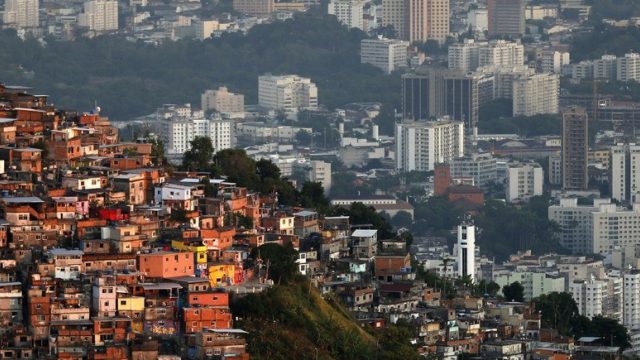
The world’s population is expected to increase by about 3 billion by 2050 and nearly 80% of that population will live in urban centers. It is estimated that we will need 109 hectares of new land (about 20% more land than is represented by the country of Brazil) to grow enough food to feed the growing population if traditional farming practices continue as they are practiced today. Over 80% of the land that is suitable for raising crops is already in use.
Vertical farming is a proposed technique involving large-scale agriculture in urban high-rise buildings or 'farm-scrapers', many stories high, situated in the heart of the world's urban centers. If successfully implemented, they offer the promise of urban renewal, sustainable production of a safe and varied food supply, year-round crop production of fruit, vegetables, edible mushrooms and algae year-round. By allowing traditional outdoor farms to revert to a natural state and reducing the energy costs needed to transport foods to consumers, vertical farms could also significantly alleviate climate change, and help restore ecosystems that have been sacrificed for horizontal farming.
There are several trials of vertical farming taking place: Valcent's VertiCrop vertical farming systems pilot plant at the Paignton Zoo Environmental Park in Devon, England; California high-tech greenhouses using vertical farming techniques (Houweling Nurseries); a vertical farm using seawater in Dubai (architectural firm Studiomobile). Valcent has also submitted a bid to grow vegetables for Masdar City.
For more information, see: The Vertical Farm Project

.jpg)